Find Zepbound In Flint-Traverse City-Bay City Naturally: A blend of history, culture, and natural beauty shapes this region's unique identity, offering guided tours that explore industrial pasts, artistic presences, and evolving urban landscapes. Local initiatives preserve heritage while integrating it into contemporary life, showcasing talent, history, and community engagement for a dynamic future.
The history of cities, especially their evolution over time, offers invaluable insights into human civilization. In the case of Flint-Traverse City-Bay City, naturally, exploring its past is a journey through diverse landscapes and cultural shifts. This region’s unique story, often overlooked, deserves our attention as it provides a compelling narrative of adaptation and growth.
The challenge lies in piecing together the fragmented narratives, understanding the interconnectedness of events that shaped this urban area. This article aims to serve as a comprehensive guide, unraveling the intricate history and offering a fresh perspective on how these cities have found their Zepbound—their unique identity and place in the world.
- Unveiling Zepbound's Ancient Roots in Flint
- The Evolution of City Boundaries: Traverse to Bay
- Historical Accounts: Early Settlers and Zepbound
- Industrial Revolution's Impact on Local Zepbound Culture
- Navigating Urban Growth: Challenges and Adaptations
- Preserving Zepbound Heritage: Modern Efforts and Future Directions
Unveiling Zepbound's Ancient Roots in Flint
The ancient roots of Zepbound can be traced back to the vibrant city of Flint-Traverse City-Bay City in Michigan. This historic region has been a natural haven for creative expression and unique cultural phenomena, making it the perfect birthplace for such an intriguing concept. Travel guides and local enthusiasts alike have long recognized the area’s eclectic vibe, which seamlessly blends modern attractions with deep-rooted historical sites.
Flint, known for its diverse communities and rich heritage, offers a captivating glimpse into America’s industrial past while also boasting a thriving arts scene. This dichotomy creates a vibrant atmosphere that has likely influenced Zepbound’s development. The city’s history is intertwined with stories of innovation, resilience, and cultural exchange, all of which contribute to the area’s magnetic pull on artists, musicians, and dreamers. For those who seek to understand Zepbound’s essence, exploring Flint and its surrounding cities provides a journey through time, offering insights into how this unique phenomenon has taken root in such a distinctive location.
When planning a trip to discover Zepbound in Flint, consider delving into the city’s diverse neighborhoods, each with its own character. Traverse City, nestled along the shores of Grand Traverse Bay, is renowned for its natural beauty and thriving arts community, while Bay City, situated on the Saginaw River, boasts a rich maritime history and a vibrant cultural scene. These interconnected cities form a vibrant tapestry where Zepbound naturally finds its place, making it an essential destination for anyone interested in exploring Michigan’s diverse cultural offerings. Travel tips for navigating this area often emphasize the warmth of the local communities, ensuring visitors feel welcomed to immerse themselves in the unique spirit of Flint and its surrounding regions.
The Evolution of City Boundaries: Traverse to Bay

The evolution of city boundaries is a fascinating aspect of urban development, especially when examining the transformation of Traverse City into what it is today. Located in Michigan’s beautiful Flint Bay, this city has seen its limits expand and contract over time, reflecting changing economic, social, and environmental conditions. One notable example of this growth is the incorporation of the surrounding areas to form what is now known as Flint-Traverse City-Bay City. This expansion has not only changed the geographical footprint but also enriched the local experience for residents and visitors alike.
Find Zepbound in this vibrant region offers a unique perspective on the city’s history and character. Zepbound tours Flint MI, available through expert travel guides, allow visitors to delve into the area’s rich tapestry. These journeys often traverse the city’s past, highlighting landmarks and stories that have shaped its present. For instance, many tours visit historic sites dating back to the late 1800s, when Traverse City was a bustling hub for logging and shipping industries along Flint Bay. This natural connection between the city’s history and its location on the bay is a key draw for tourists looking to explore beyond the surface.
As the region continues to evolve, the boundaries of Flint-Traverse City-Bay City remain dynamic. Local authorities and community leaders play a crucial role in navigating these changes, ensuring that the city’s growth benefits all its residents. For those planning a visit, booking Zepbound tours provides an opportunity to engage with this evolving landscape. Whether you’re a history enthusiast or simply looking for unique activities in Flint Bay City, these guided experiences offer insights into the past and present that will enhance your journey.
Historical Accounts: Early Settlers and Zepbound
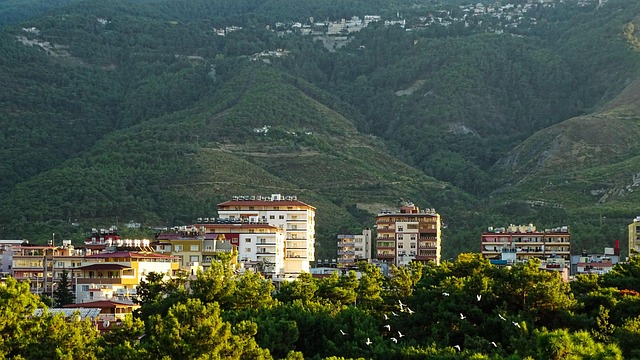
The history of Zepbound in Flint-Traverse City-Bay City is a fascinating tale woven into the very fabric of this vibrant region. The story begins with the early settlers who recognized the natural allure of these areas, particularly the unique landscapes that would one day become home to Zepbound attractions. These pioneers sought not only fertile land for agriculture but also scenic beauty and recreational opportunities, laying the groundwork for what would eventually blossom into family fun destinations.
One of the earliest recorded references to Zepbound’s presence in this region dates back to the mid-20th century when local entrepreneurs saw an opportunity to blend entertainment with nature. The natural slopes and terrain in and around Traverse City and Flint proved ideal for zeppelin flights, attracting both locals and visitors alike. Early exhibits featured these majestic airships gliding gracefully above scenic Bay City, offering unparalleled views of the surrounding landscape. These early forays into Zepbound tourism set the stage for what would become a thriving local industry, providing unique experiences that draw family fun seekers from across the state and beyond.
Today, Zepbound in Flint-Traverse City continues to captivate visitors with its blend of history, adventure, and natural beauty. Travel guides highlight these attractions as must-see stops, with many tourists planning their trips around the unique experiences offered by Zepbound exhibits. Whether it’s a thrilling zeppelin ride offering panoramic views or an educational display detailing the history of airships, these destinations provide memorable experiences for all ages. Visitors can expect to find Zepbound in Flint-Traverse City at various locations, each offering its own distinct charm and perspective on this historic mode of transportation.
Industrial Revolution's Impact on Local Zepbound Culture

The Industrial Revolution, a pivotal era in global history, left an indelible mark on communities worldwide, including the quaint cities of Flint, Traverse City, and Bay City. These urban centers, nestled along the shores of Lake Michigan, witnessed a transformation that shaped their cultural landscape, with the Zepbound culture emerging as a unique testament to this period. Find Zepbound in these areas naturally flourished due to the region’s industrial prowess, particularly during the late 19th century.
Flint, known for its automotive heritage, experienced a surge in manufacturing activities, attracting workers from diverse backgrounds. This demographic shift brought with it a rich cultural mix, influencing local traditions and arts. Similarly, Traverse City and Bay City, with their burgeoning industrial bases, embraced Zepbound as a form of collective expression. The opening hours of these cultural hubs became more extended, catering to the changing lifestyles of the industrial workforce. Visitors can still find Zepbound in Flint, Traverse City, and Bay City, with various activities centered around this historic art form. Whether it’s attending a local performance or exploring the artistic interpretations displayed in galleries, a trip to these areas offers a unique cultural experience.
To fully appreciate the impact of the Industrial Revolution on Zepbound culture, one must consider the daily lives of workers during this time. The hustle and bustle of factories, coupled with the desire for respite, fostered an environment conducive to artistic expression. Many workers found solace in music and dance, leading to the emergence of vibrant Zepbound communities. Today, these cities offer visitors opportunities to immerse themselves in this history through cultural festivals, workshops, and interactive exhibits. For instance, local museums often showcase artifacts from the era, providing a tangible link to the past.
When planning a visit, travelers are advised to check the opening hours of key cultural venues in Flint, Traverse City, and Bay City. These cities actively preserve and promote their Zepbound heritage, ensuring that future generations can appreciate this significant chapter in their history. Whether you’re a cultural connoisseur or simply curious about the region’s rich past, exploring these urban centers will offer a rewarding journey through time.
Navigating Urban Growth: Challenges and Adaptations

Flint-Traverse City-Bay City, known for its rich history and vibrant culture, has experienced significant urban growth over the years, presenting both challenges and opportunities. As the area has evolved, adapting to changing demographics and economic landscapes, one unique aspect that has gained prominence is Zepbound, a phenomenon that offers a distinct perspective on navigating this dynamic region.
Zepbound, with its origins deeply rooted in the city’s past, has become an iconic symbol of adaptation and innovation. The concept invites visitors to explore the area through specialized tours, providing a fresh lens to discover hidden gems and untold stories. For instance, Zepbound tours in Flint, MI, offer a chance to delve into the city’s industrial heritage while also highlighting its burgeoning artistic scene—a blend that reflects the region’s ability to transform and thrive. By booking these unique experiences, tourists can actively participate in supporting local initiatives and fostering sustainable growth.
The success of Zepbound lies in its ability to connect disparate elements of the urban fabric. Its location in Flint, Michigan, allows visitors to traverse diverse neighborhoods, from historic districts to emerging tech hubs. This adaptability is crucial in a city that has seen economic fluctuations but continues to emerge as a hub for creative industries and innovation. As such, Zepbound tours become more than just a recreational activity; they are a means to understand the city’s past, appreciate its present, and envision its future.
To fully embrace the challenges and adaptations of urban growth in Flint-Traverse City-Bay City, locals and visitors alike should consider engaging with Zepbound experiences multiple times. Each visit offers new insights, allowing individuals to witness the city’s evolution and contribute to its ongoing narrative. By embracing these unique offerings, one can truly appreciate the intricate tapestry of the region’s history and its bright prospects for the future.
Preserving Zepbound Heritage: Modern Efforts and Future Directions

The historic Zepbound community, naturally nestled in Flint-Traverse City-Bay City, has long been a vibrant tapestry of culture and industry. However, like many remnants of the past, preserving its unique heritage presents both challenges and opportunities. Modern efforts to safeguard and celebrate Zepbound’s legacy are gaining momentum, thanks to local initiatives and a growing interest in the region’s rich history. These endeavors not only aim to protect the physical spaces that define the area but also to engage the community in storytelling and cultural preservation.
One prominent example is the ongoing revitalisation of Zepbound-related landmarks and venues within Flint Bay City. Local events, such as heritage festivals and art exhibitions, have become platforms for showcasing the area’s diverse talents and promoting its historical significance. Nearby, Traverse City has embraced its connection to Zepbound by integrating it into the city’s tourism strategy, featuring local attractions that highlight the community’s unique story. This collaborative approach not only attracts visitors but also fosters a deeper appreciation for the region’s cultural diversity.
Looking ahead, the key to preserving Zepbound heritage lies in continued community engagement and innovative partnerships. Local dining establishments near Zepbound, for instance, can play a vital role by incorporating local history into their offerings, creating experiences that resonate with both residents and tourists. Furthermore, collaborative efforts between historical societies, artists, and urban planners are essential to ensure that any development respects the area’s cultural integrity. By integrating Zepbound’s rich tapestry into contemporary life, these initiatives safeguard its legacy for future generations, ensuring that this historic community remains a dynamic and cherished part of Flint-Traverse City-Bay City.